

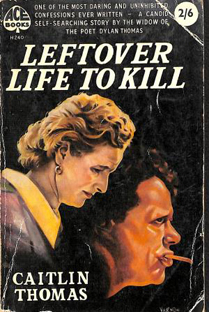
Caitlin Thomas
Leftover life to kill
En anglais – One of the most daring and uninhibited confessions ever written – a candid self-searching story by the widow of the poet Dylan Thomas
Vous aimerez aussi

Scarlet Feather
En Anglais – Set in contemporary Ireland, filled with warmth, wit, and drama, Scarlet Feather is the story of Cathy Scarlet and Tom Feather, their spouses, families, and friends, and the struggling new catering business that transforms their lives in ways big and small.
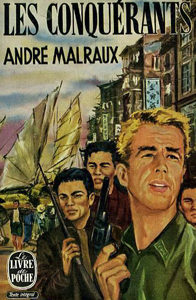
Les conquérants
Tour à tour aventurier, communiste, résistant, visionnaire, romancier, ministre, André Malraux est une personnalité marquante de l’histoire du XXe siècle français. C’est cette vision protéiforme, unique et originale qui traverse Les Conquérants. Publié en 1928, ce livre dérouta la critique de l’époque, à la fois essai, récit de voyage, reportage, roman ou document historique. Divisé en trois parties, “Les approches”, “Puissances” et “L’homme”, il retrace la vie, en pleine révolution chinoise, de Garine et Borodine, aventuriers visant à l’émancipation du peuple chinois.
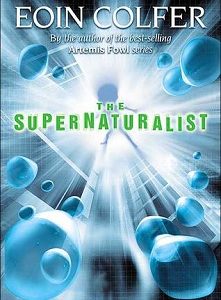
The Supernaturalist
En Anglais – In the future, in a place called Satelite City, fourteen-year-old Cosmo Hill enters the world, unwanted by his parents. He's sent to the Clarissa Frayne Institute for Parentally Challenged Boys, Freight class. At Clarissa Frayne, the boys are put to work by the state, testing highly dangerous products. At the end of most days, they are covered with burns, bruises, and sores. Cosmo realizes that if he doesn't escape, he will die at this so-called orphanage. When the moment finally comes, Cosmo seizes his chance and breaks out with the help of the Supernaturalists, a motley crew of kids who all have the same special ability as Cosmo-they can see supernatural Parasites, creatures that feed on the life force of humans. The Supernaturalists patrol the city at night, hunting the Parasites in hopes of saving what's left of humanity in Satellite City. Or so they think.
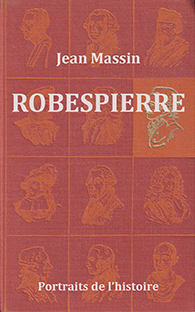
Robespierre
Comment peut-on aimer Robespierre ? Comment peut-on s’attacher à un homme dont le nom même évoque la Grande Terreur de 1793 ? Si l’opinion courante garde de ce personnage l’image d’un dictateur “juste capable de verser le sang du peuple”, derrière ce masque existe un Robespierre dont le portrait mérite d’être tracé.
Aucun révolutionnaire de 1791 à 1794 n’a eu une popularité aussi continue, aussi profonde, aussi convaincue. Robespierre rêvait d’installer une société fraternelle et il apparaissait, aux heures où tout semblait perdu, comme le visage de l’espérance.
D’“incorruptible”, Robespierre fut transformé par la propagande thermidorienne en dictateur sanguinaire. Monstre ou martyr, il est une figure de la Révolution que Jean Massin, avec toute la rigueur d’un historien, nous permet de reconnaître.
« J’ai à raconter l’histoire du héros d’une épopée ; je n’ai pas oublié pour autant que, nécessaires ou accidentelles, les insuffisances et les erreurs de ce héros ont contribué à faire aussi de son histoire un drame. »
Jean Massin